The Cooking Oil Swap That Could Change Your Inflammation Levels

The Cooking Oil Swap That Could Change Your Inflammation Levels

What’s in your pantry right now might be quietly fueling your next flare — and the fix is simpler than you think.

When I removed gluten and dairy from my diet, my inflammation dropped significantly. But there was still something quietly working against me — and I didn’t find it until I looked at what I was cooking with.

The oils in your kitchen might be the most overlooked driver of autoimmune inflammation. Most people never think twice about them. They grab whatever is cheapest, or whatever sounds “healthy” on the label. But for people with lupus, RA, Hashimoto’s, or any other autoimmune condition, the oils you cook with can make a real difference in your symptom burden.

Here’s what I learned — and the simple swaps I made that have stayed in my kitchen ever since.

Why Cooking Oils Matter for Autoimmunity

Not all fats are created equal. Some oils — specifically those high in omega-6 polyunsaturated fatty acids (PUFAs) — promote inflammation when consumed in excess. Others are rich in anti-inflammatory compounds that can help calm an overactive immune system.

The problem? Modern Western diets are massively skewed toward omega-6-heavy seed oils: soybean oil, corn oil, sunflower oil, safflower oil, canola oil, and vegetable oil. These oils are in nearly everything processed — and many people cook with them at home too.

When the omega-6 to omega-3 ratio in your body gets too high (ideally it should be around 4:1; most Americans are closer to 20:1 or even 40:1), it activates inflammatory pathways that can trigger and worsen autoimmune symptoms. Research published in Nutrients (2021) found that dietary fat composition significantly influences the activity of inflammatory mediators associated with autoimmune conditions.

I’m not here to tell you a single oil swap will cure your autoimmune disease. It won’t. But removing a chronic, daily source of inflammatory fuel — and replacing it with something that supports your body instead — is one of the simplest, most sustainable changes you can make.

⚠️ The oils to avoid (or minimize): Canola oil, vegetable oil, soybean oil, corn oil, sunflower oil, safflower oil, and “blended” cooking oils. These are high in inflammatory omega-6 PUFAs and are often highly processed and oxidized.

The Swaps That Made a Difference for Me

I didn’t overhaul my kitchen overnight. I made one swap at a time, starting with whatever I used most. Here’s what I actually cook with now — and why.

🫒 Extra Virgin Olive Oil — My Everyday Workhorse

This is the one I reach for most. Cold-pressed extra virgin olive oil (EVOO) is loaded with oleocanthal, a natural compound with anti-inflammatory properties similar to ibuprofen at therapeutic doses (Beauchamp et al., Nature, 2005). It’s also high in oleic acid, a monounsaturated fat that doesn’t oxidize easily.

I use it for sautéing at low-to-medium heat, salad dressings, roasting vegetables, and drizzling over finished dishes. The key is getting real EVOO — not the blended stuff that’s often cut with cheaper seed oils.

🛒 Shop Extra Virgin Olive Oil — Karin’s Picks

California Olive Ranch EVOO
Karin’s daily go-to — 100% California olives, third-party tested
Shop on Amazon ↗
Kirkland Signature EVOO
Great value for large households — look for “cold pressed” on label
Shop on Amazon ↗
Bragg Organic EVOO
Organic, unfiltered — great for dressings and finishing
Shop on Amazon ↗

🥥 Coconut Oil — for High-Heat Cooking

Coconut oil is highly saturated, which actually makes it stable at high heat — unlike seed oils which oxidize and produce harmful byproducts when overheated. I use it for stir-frying, searing, and baking at higher temperatures.

The medium-chain triglycerides (MCTs) in coconut oil may also support gut health and immune function — areas of active research in autoimmune disease management. Look for unrefined, cold-pressed virgin coconut oil rather than refined versions that have been processed with heat or chemicals.

🛒 Shop Coconut Oil — Karin’s Picks

Nutiva Organic Virgin Coconut Oil
Cold-pressed, unrefined — Karin’s top pick for high-heat cooking
Shop on Amazon ↗
Viva Naturals Organic Coconut Oil
Mild flavor, great for baking where you don’t want coconut taste
Shop on Amazon ↗

🥑 Avocado Oil — the High-Heat Hero

If I had to pick one oil for everything, avocado oil might be it. It has the highest smoke point of any common cooking oil (around 500°F/260°C), making it ideal for searing, roasting, grilling, and even frying. It’s rich in oleic acid (like olive oil) and vitamin E, both of which support immune regulation.

I use avocado oil when I need to cook something at high temperature and don’t want the flavor of coconut oil. It’s also great for homemade mayonnaise if you’re avoiding seed oil-based mayo (which is almost all commercial mayo).

🛒 Shop Avocado Oil — Karin’s Picks

Chosen Foods 100% Pure Avocado Oil
Refined for high heat — Karin’s top pick for searing & roasting
Shop on Amazon ↗
Primal Kitchen Avocado Oil
Also great — their mayo made with avocado oil is a game-changer
Shop on Amazon ↗

Quick-Reference Swap Table

Instead of…Use thisBest for
Vegetable oilAvocado oilEverything — same neutral flavor, no seed oils
Canola oilExtra virgin olive oilSautéing, dressings, lower-heat cooking
Corn oilCoconut oilHigh-heat cooking, baking
Sunflower/Safflower oilAvocado oilFrying, high-heat applications
Seed oil-based cooking sprayAvocado oil sprayBaking pans, air fryer
Commercial mayo (seed oils)Primal Kitchen Avocado MayoSandwiches, dressings, dips
⏱ Pro Tip: Check the ingredient labels on pre-made sauces, dressings, and condiments — they almost always contain soybean or canola oil. Switching to avocado oil-based condiments (especially mayo and salad dressings) is one of the highest-impact, lowest-effort swaps you can make.

What About Butter and Ghee?

If you tolerate dairy (or clarified dairy), grass-fed butter and ghee are excellent cooking fats. They’re rich in butyrate, a short-chain fatty acid with documented anti-inflammatory effects on gut health. Ghee is butter with the milk solids removed, making it suitable for many people who are dairy-sensitive (including some people with autoimmune conditions).

I personally use ghee regularly for cooking eggs, sautéing vegetables, and adding richness to sauces. Fourth & Heart and Ancient Organics are two brands I trust.

The Bottom Line

You don’t have to throw out everything in your kitchen today. Start with the oil you use most — probably the one sitting on your stovetop — and swap it for avocado oil or extra virgin olive oil. That single change, repeated at every meal, adds up fast.

I made this swap about a year into my autoimmune journey, and it’s one of those quiet changes that I believe contributed to my overall improvement. Not dramatic. Not a cure. But consistent, low-effort, and real.

If you want more of these simple swaps — the ones that actually fit into a real life with autoimmune disease — I share them regularly in the blog and on the podcast. And if you’re looking for where to get started, the Warrior Toolkit has a full list of the products I personally use and trust.

One swap at a time. That’s how we do this.

Have you already swapped out seed oils? What did you notice? Drop it in the comments — I read every single one.

Sources: Beauchamp et al. (2005). Phytochemistry: Ibuprofen-like activity in extra-virgin olive oil. Nature. | Simopoulos, A.P. (2002). The importance of the ratio of omega-6/omega-3 essential fatty acids. Biomedicine & Pharmacotherapy. | Gioxari et al. (2018). Intake of omega-3 polyunsaturated fatty acids in patients with rheumatoid arthritis. Nutrition.

Disclaimer: This post is for informational purposes only and is not medical advice. Always consult your healthcare provider before making dietary changes. This page contains affiliate links — they won’t change your price, but we may earn a small commission. As an Amazon Associate, we earn from qualifying purchases.


EP. 73: Celiac Warrior & UT Austin Track Star — Logan Popelka’s Journey to the Olympic Trials

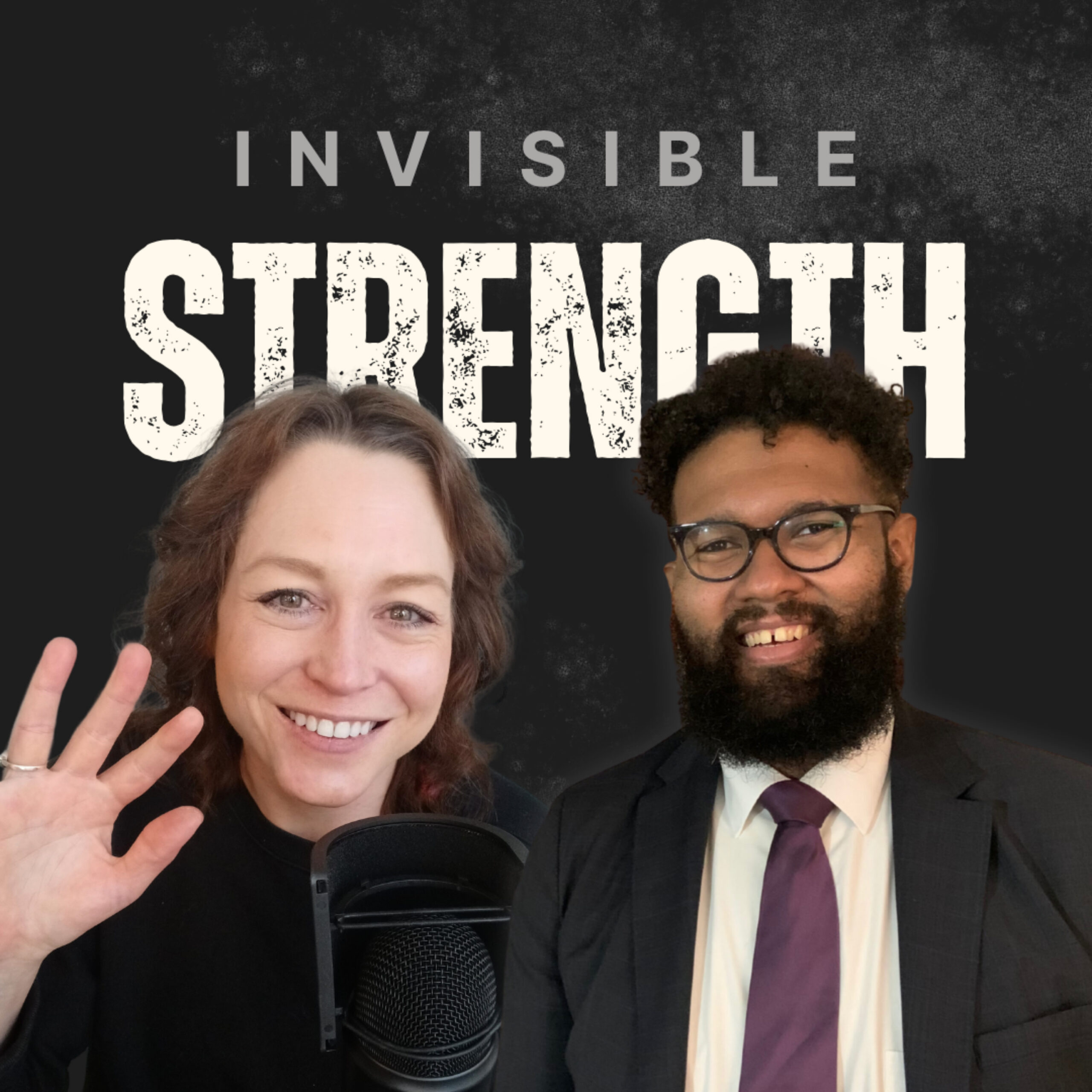
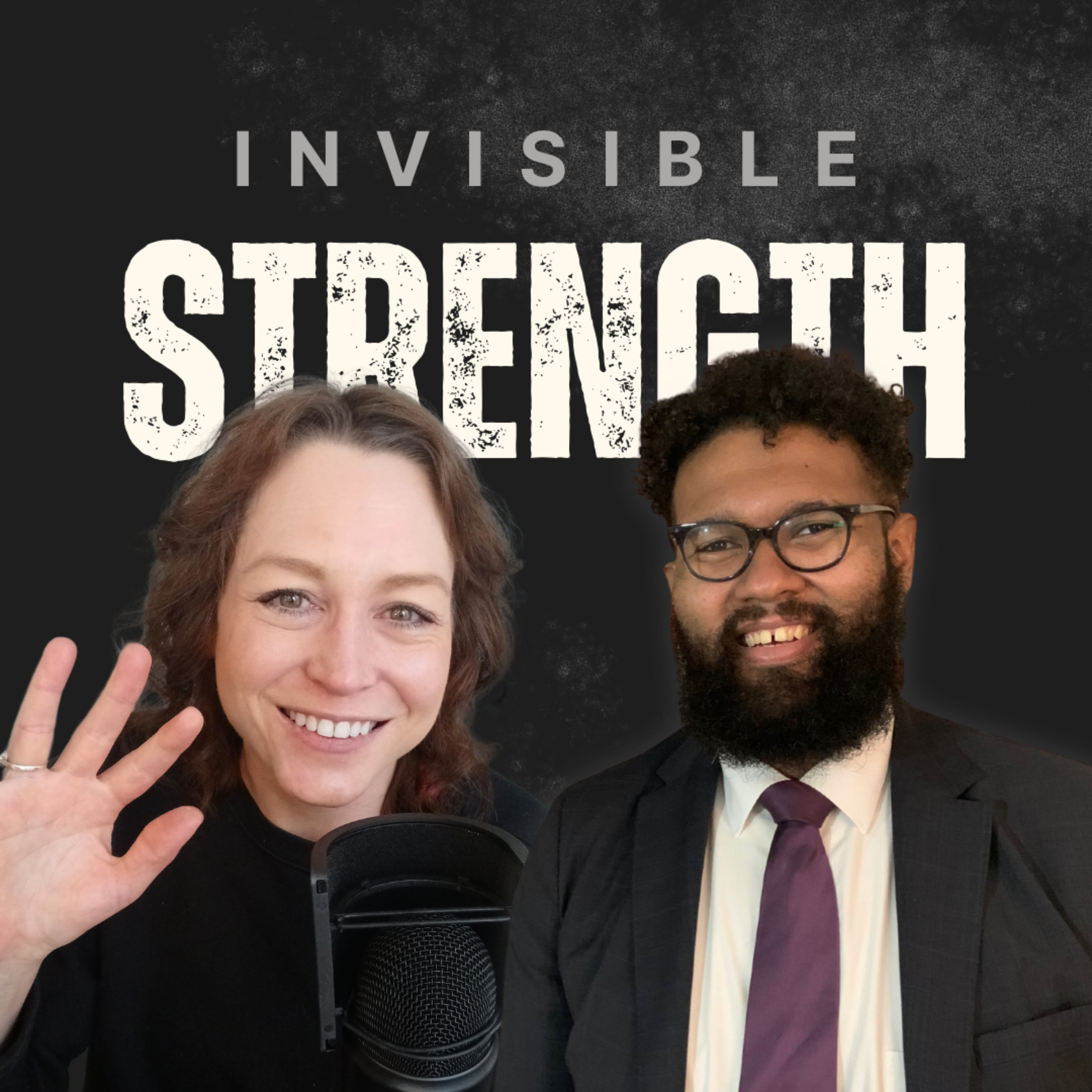
Episode 73 · Invisible Strength Podcast

Celiac Warrior & UT Austin Track Star: Logan Popelka’s Gluten-Free Journey to the Olympic Trials

May 13, 2026 · Hosts: Karin Wagner & Chris Burton
▶ Listen on Spotify
Logan Popelka - EP. 73 Invisible Strength Podcast

About This Episode

University of Texas Austin track & field star Logan Popelka shares how he turned a celiac disease diagnosis at age 15 into elite athletic success — including a near-qualification for the U.S. Olympic Trials.

Diagnosed with no obvious symptoms, Logan opens up about navigating a strict gluten-free lifestyle while competing at the highest level. From high school social challenges to fueling as a Division I athlete, this conversation is packed with practical advice and real hope.

Whether you’re newly diagnosed with celiac disease, a gluten-free athlete, or living with any autoimmune condition, Logan’s story will motivate and equip you to thrive.

About Logan Popelka

Logan Popelka is a track & field athlete at the University of Texas Austin, diagnosed with celiac disease at age 15. Despite having no obvious digestive symptoms at diagnosis, Logan committed fully to the gluten-free lifestyle — and went on to compete at the Division I level, nearly qualifying for the U.S. Olympic Trials. He is known for his discipline, faith, and approach to fueling performance with celiac disease.

Hosts: Karin Wagner & Chris Burton (@baddestchaplain)

Key Takeaways

Going gluten-free is a skill you can master. Logan shares the learning curve and practical tools that made strict GF living sustainable as a competitive athlete.
Social pressure is real — and you can navigate it. From high school parties to college dining halls, Logan learned to handle the social side without compromising his health.
Cross-contamination is the hidden danger. Understanding restaurant risks and developing communication scripts is essential for serious celiac management.
Faith and discipline compound over time. The invisible strength Logan built through managing his diagnosis showed up directly in his athletic performance.
Diagnosis is not a ceiling — it is a foundation. Logan’s near-Olympic-Trials performance proves that celiac disease does not have to limit how high you reach.

Episode Chapters

  • 00:00 — Welcome & Logan’s unexpected celiac diagnosis
  • 04:54 — Training & recovery as a celiac Division I athlete
  • 08:05 — Advice for beginners feeling left out
  • 10:20 — Eating out safely & restaurant strategies
  • 15:16 — Favorite gluten-free brands & baking
  • 25:25 — Running at the Olympic Trials
  • 29:20 — Faith and mindset shifts
  • 30:56 — Practical tips: labels, dietitians & educating others

Ready to Reclaim Your Life with Autoimmune Disease?

You do not have to navigate this alone. Our coaching program helps autoimmune warriors build sustainable routines, manage flares, and live fully — even on the hard days.

Explore 1-on-1 Coaching →

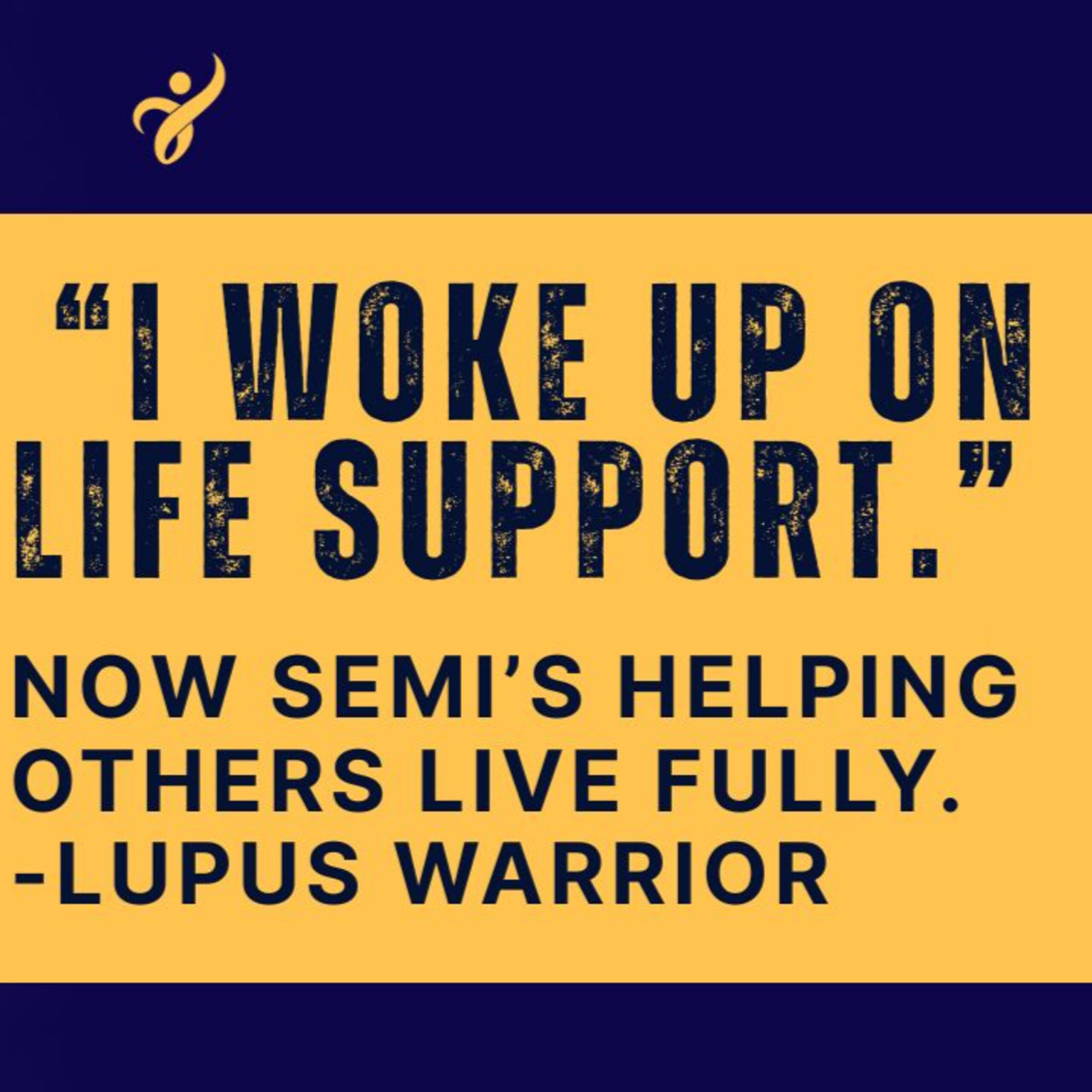
EP. 74: From Life Support to Lupus Warrior — How Semi Found Strength, Self-Advocacy & Hope

Episode 74 · Invisible Strength Podcast

From Life Support to Lupus Warrior: How Semi Found Strength, Self-Advocacy & Hope

May 20, 2026 · Hosts: Karin Wagner & Chris Burton
▶ Listen on Spotify
Semi - EP. 74 Invisible Strength Podcast

About This Episode

From life support to lupus advocacy — Semi shares her raw, unfiltered journey with lupus. The grief, the isolation, the hard-won self-advocacy victories, the lifestyle shifts that changed everything, and how she created a children’s book to help kids understand the disease.

A must-listen for anyone navigating autoimmune conditions who needs real talk and real hope. Semi’s story is one of the most powerful reminders that survival is not the destination — it is the starting line.

About Semi

Semi is a lupus warrior and advocate who survived life support before going on to transform her experience into purpose. She is the author of Luna and the Tiny Superhero, a children’s book designed to help kids understand lupus and chronic illness in an accessible, empowering way. Her advocacy work centers on breaking isolation, building community, and equipping others to speak up for themselves in medical settings.

Semi’s children’s book: Luna and the Tiny Superhero on Amazon

Key Takeaways

Survival is just the beginning. Getting off life support was not the end of the journey — it was the moment Semi’s real work began.
Self-advocacy is a skill you can build. Semi learned to speak up in medical settings, ask the right questions, and refuse to be dismissed — and those skills changed her outcomes.
Isolation is part of the disease if you let it be. Community and connection are as important as medication for long-term wellbeing with lupus.
Lifestyle shifts matter. Diet, sleep, stress management — Semi found that intentional changes to her daily habits had a measurable impact on her disease activity.
Your story can heal others. Semi turned her suffering into a resource for families — proof that purpose can be found even in the hardest chapters.

Ready to Reclaim Your Life with Autoimmune Disease?

You do not have to navigate this alone. Our coaching program helps autoimmune warriors build sustainable routines, manage flares, and live fully — even on the hard days.

Explore 1-on-1 Coaching →

EP. 75: Can You Live a Full Life With Lupus? Emma’s Honest Answer

Episode 75 · Invisible Strength Podcast

Can You Live a Full Life With Lupus? Emma’s Honest Answer

May 27, 2026 · Hosts: Karin Wagner & Chris Burton
▶ Listen on Spotify
Emma - EP. 75 Invisible Strength Podcast

About This Episode

Lupus nearly took everything from Emma in her early 20s. She was hospitalized, struggling to walk, losing her hair, and unsure what her future would look like. Doctors did not know if life would ever feel “normal” again.

23 years later? She’s a mom, works full-time, runs for her mental health, and has learned how to live WITH lupus instead of constantly fighting against her body.

In this episode, Emma gets brutally honest about what lupus really feels like, the invisible side of chronic illness nobody sees, why “pushing through” made things worse, her biggest lupus flare triggers, the mental battle of looking “fine” when you are not, and the grief, fear, and resilience that come with autoimmune disease.

If you are living with lupus, chronic illness, fatigue, burnout, or invisible illness — this conversation will make you feel less alone.

About Emma

Emma was first hospitalized with lupus in her early 20s, facing the possibility that life might never feel normal again. Over the next 23 years, she rebuilt her life one careful step at a time — becoming a mother, maintaining full-time work, and rediscovering movement through running. Her story is a powerful answer to the question every newly diagnosed person asks: can I still have a full life?

Key Takeaways

“Pushing through” made things worse. Learning to rest instead of fight her body was one of Emma’s biggest turning points.
The invisible side is the hardest part. Looking “fine” while suffering internally is its own unique exhaustion — and it requires constant self-advocacy.
You can live a full life with lupus. It looks different than before, but Emma is proof that motherhood, work, running, and joy are all still possible.
Know your flare triggers. Emma identified her biggest triggers over time — stress, sleep deprivation, sun exposure — and protecting against them became part of her wellness routine.
Grief is part of the journey. Grieving the life you expected is not weakness — it’s a necessary step toward building the one you actually have.

Ready to Reclaim Your Life with Autoimmune Disease?

You do not have to navigate this alone. Our coaching program helps autoimmune warriors build sustainable routines, manage flares, and live fully — even on the hard days.

Explore 1-on-1 Coaching →

EP. 76: Baylee Simmelink on Growing Up with Celiac Disease & Playing D2 Soccer

Episode 76 · Invisible Strength Podcast

From the Soccer Field to the Doctor’s Office: Baylee Simmelink on Growing Up with Celiac Disease

June 3, 2026 · Host: Karin Wagner
▶ Listen on Spotify
Baylee Simmelink - EP. 76 Invisible Strength Podcast

About This Episode

When Baylee Simmelink was nine years old, she was sick every night before bed — stomach cramps, vomiting, real pain. For a while, the adults around her thought she was just trying to avoid bedtime. Sound familiar?

For so many people living with chronic and invisible illness, getting someone to believe you is half the battle. In this episode, Karin sits down with Baylee — a college soccer player at Northwest Missouri State University and elementary education major — who was diagnosed with celiac disease at age 9.

Baylee shares what it was like growing up gluten-free before there were many options, navigating birthday parties and school snacks, and pushing through the intimidating world of college dining halls as a Division II athlete. Her mom also has celiac, which gave Baylee something most newly diagnosed people do not have: someone who truly gets it.

This one is for anyone who has ever cried in a restaurant because there was nothing on the menu they could eat. Anyone raising a child with celiac. Anyone who has had to advocate for themselves when they were terrified to do it.

About Baylee Simmelink

Baylee Simmelink is a Division II college soccer player at Northwest Missouri State University, studying elementary education. Diagnosed with celiac disease at age 9, Baylee grew up navigating a strict gluten-free lifestyle alongside her mother (who also has celiac) — from school snack drawers to college dining halls to competitive athletics. Her story is a testament to how the hard things we’re forced to go through often become the things that shape us most.

Key Takeaways

Getting someone to believe you is half the battle. Baylee’s symptoms were dismissed as bedtime avoidance — a reminder that invisible illness requires persistent self-advocacy.
Having one person who truly gets it changes everything. Baylee’s mom also has celiac, and that shared understanding made the hardest parts more bearable.
You can thrive as an athlete with celiac. With the right preparation and knowledge, a gluten-free diet does not have to hold you back from competing at a high level.
The hard things we’re forced to go through often shape us most. Baylee’s journey from a tearful nine-year-old to a confident college athlete is proof of that.
Preparation is your superpower. Whether it’s a school snack drawer or college dining hall strategies, planning ahead makes gluten-free life manageable.

Ready to Reclaim Your Life with Autoimmune Disease?

You do not have to navigate this alone. Our coaching program helps autoimmune warriors build sustainable routines, manage flares, and live fully — even on the hard days.

Explore 1-on-1 Coaching →

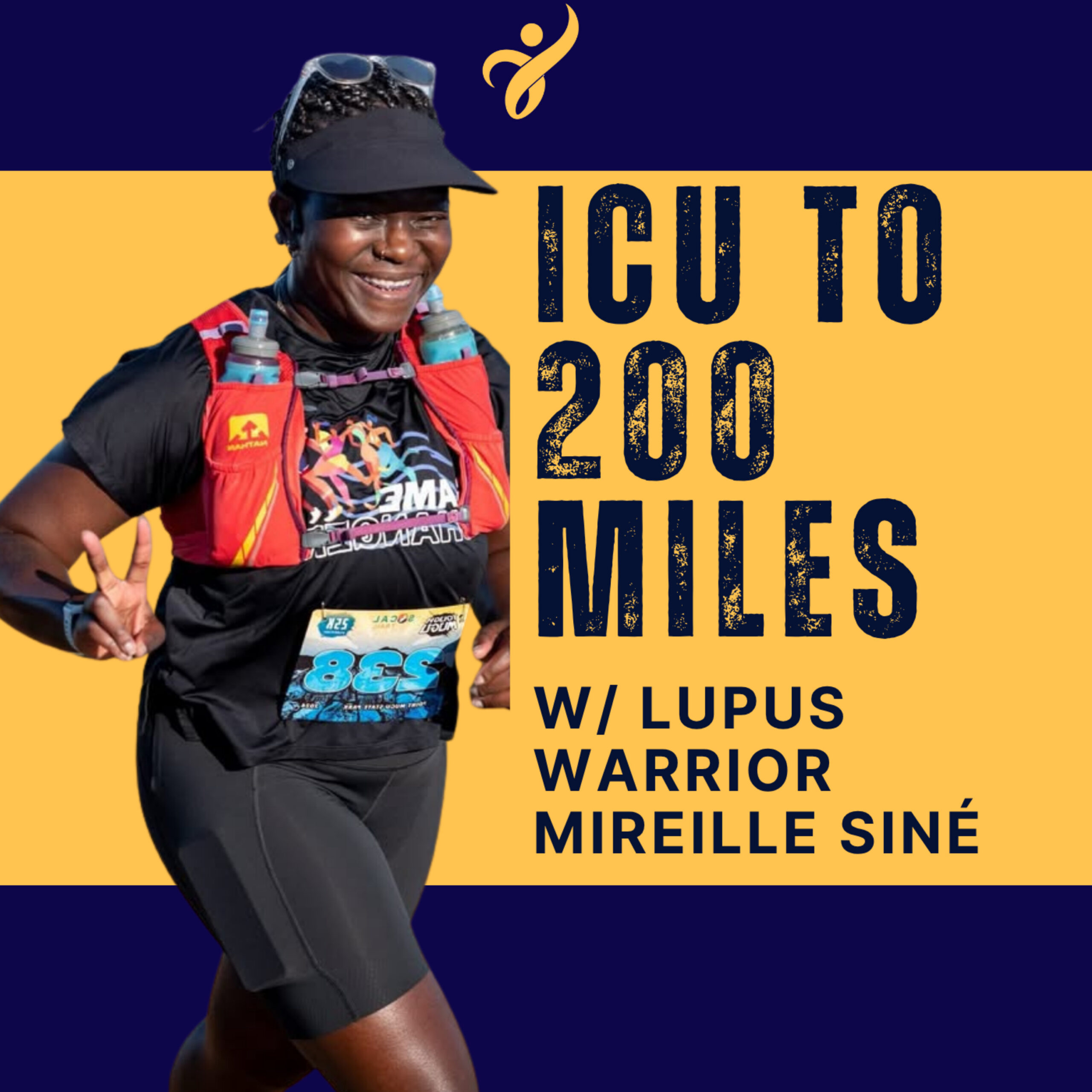
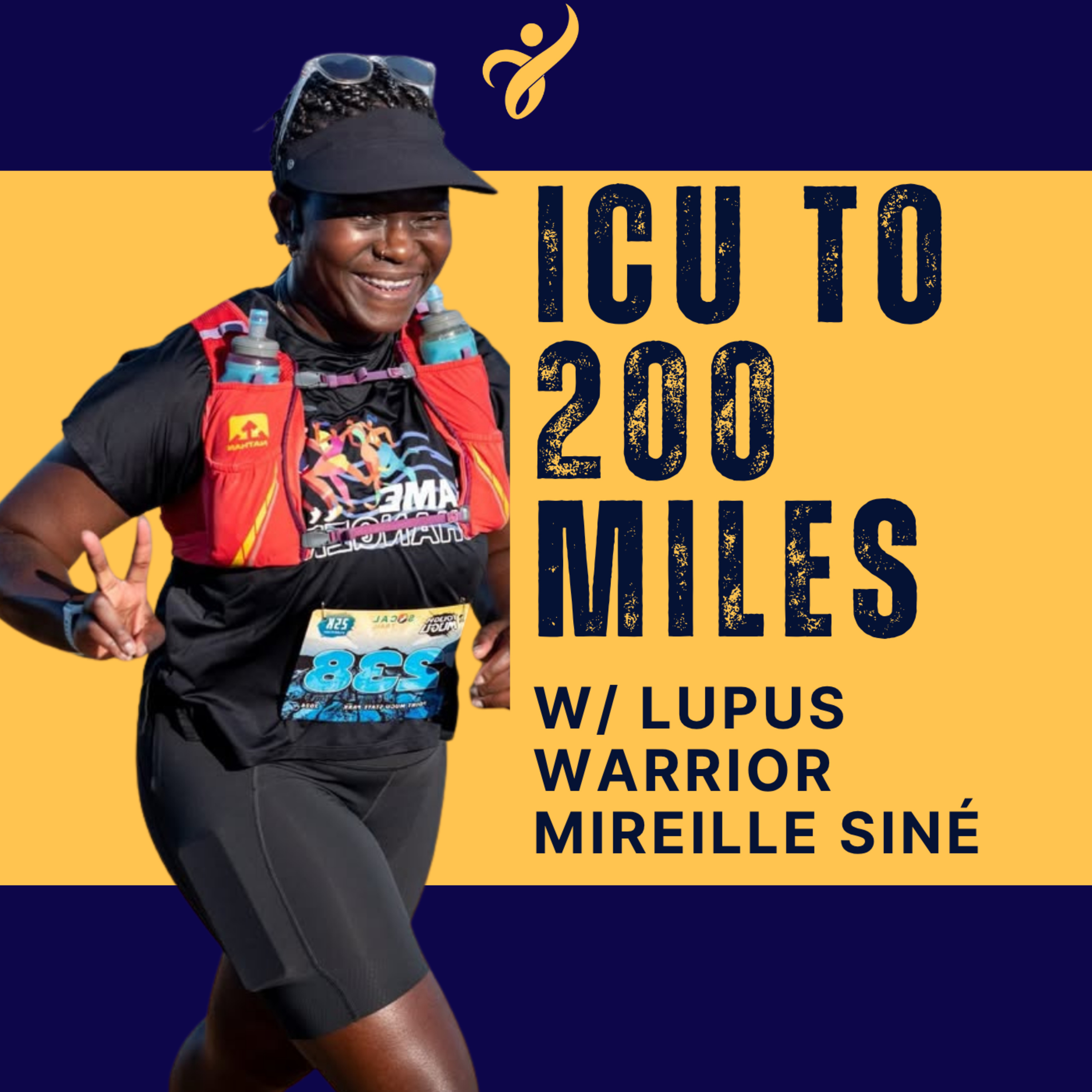
EP. 77: Chasing Goals, Not Ghosts — Mireille Siné on Running 200 Miles with Lupus

Episode 77 · Invisible Strength Podcast

Chasing Goals, Not Ghosts: Mireille Siné on Running 200 Miles with Lupus

June 10, 2026 · Hosts: Karin Wagner & Chris Burton
▶ Listen on Spotify
Mireille Sine - EP. 77 Invisible Strength Podcast

About This Episode

Lupus put Mireille Siné in the ICU in college. She came back to run 14 marathons, 5 ultras, and 200 miles from Boston to New York City — becoming the first Black woman to complete that run.

In this episode, Karin and Chris talk with Mireille — certified run coach, AIP nutrition coach, and unstoppable autoimmune warrior. Mireille shares her full story: the college stress that preceded her lupus diagnosis, the blood clot that took three ER visits to catch, chemotherapy and medical leave, and the slow, deliberate comeback that started with a quarter-mile run.

They get practical too: how Mireille structures training around flares with her stoplight protocol, why sleep is her non-negotiable recovery anchor, how she approaches nutrition for inflammation, and how to tell normal training fatigue from the start of a flare. Plus the mental game — and what it means to chase goals instead of ghosts.

About Mireille Siné

Mireille Siné is a certified run coach and AIP nutrition coach living with lupus. After being hospitalized in college with a blood clot and undergoing chemotherapy, she rebuilt her life through running — going on to complete 14 marathons, 5 ultramarathons, and a historic 200-mile run from Boston to New York City as the first Black woman to do so. She now coaches other autoimmune athletes using her proven stoplight training protocol.

Find Mireille: @heycoachmireille · coachedbymireille.com

Key Takeaways

“You’re not gonna get anywhere chasing a ghost.” Stop comparing your current capacity to who you were before diagnosis — focus on who you’re becoming.
The stoplight protocol: Green means go at full effort, yellow means modify, red means rest. Knowing which light you’re at changes everything about training with autoimmune disease.
Sleep is non-negotiable. For Mireille, sleep is the single biggest recovery lever — more important than any supplement or training tweak.
The first comeback step was a quarter-mile run. You don’t need to start big. You just need to start.
Community is medicine. Surrounding yourself with people who get it — who see your invisible struggle — changes your relationship with your diagnosis.

Episode Chapters

  • 00:02 — Meet Mireille
  • 02:02 — Training with compassion
  • 04:08 — The lupus diagnosis story
  • 09:14 — Coming back: the first mile
  • 13:04 — Self-doubt and setbacks
  • 16:01 — The marathon that means the most
  • 22:01 — Sleep, nutrition, community
  • 26:54 — Coaching autoimmune athletes
  • 30:23 — The stoplight protocol for flares
  • 34:14 — Fatigue vs. flare: how to tell
  • 35:39 — “Chasing a ghost” — the mindset shift
  • 40:44 — What invisible strength means
  • 42:25 — What’s next for Mireille

Ready to Reclaim Your Life with Autoimmune Disease?

You do not have to navigate this alone. Our coaching program helps autoimmune warriors build sustainable routines, manage flares, and live fully — even on the hard days.

Explore 1-on-1 Coaching →

EP. 78: Two in a Million — Webb Kosich on Aplastic Anemia & Fighting Back to D1 Soccer

Episode 78 · Invisible Strength Podcast

Two in a Million: Webb Kosich on Aplastic Anemia, a Sister’s Bone Marrow, and Fighting His Way Back to D1 Soccer

June 17, 2026 · Hosts: Karin Wagner & Chris Burton
▶ Listen on Spotify
Webb Kosich - EP. 78 Invisible Strength Podcast

About This Episode

Imagine being a 19-year-old college freshman, playing in every game of your first Division 1 soccer season — and then, over a single winter break, watching your body start to fail. Unexplained bruises. Out of breath after a few steps. Sores that would not heal.

For Webb Kosich, that was the beginning of a months-long fight against aplastic anemia — a rare bone marrow failure disease that strikes roughly two people in a million each year. Webb takes Karin and Chris back through the whole journey: the terrifying weeks of waiting for a diagnosis, being helicoptered to Johns Hopkins, nine straight days of chemotherapy, and the bone marrow transplant from his sister — his “perfect match.”

He is honest about the darkest moments too: dropping out of school, quitting the sport that defined him, losing 40 pounds, and watching his own father cry for the first time. But this is ultimately a story about what carried him through — family, a tight group of friends, faith, and the stubborn goal he wrote down next to his hospital bed: get back on the field.

About Webb Kosich

Webb Kosich is a Division I college soccer player who was diagnosed with aplastic anemia — a rare and life-threatening bone marrow failure disease — during his freshman year. After being helicoptered to Johns Hopkins and undergoing nine days of chemotherapy followed by a bone marrow transplant from his sister, Webb defied the odds and returned to D1 soccer. His story is one of resilience, faith, family, and the power of setting goals even in the darkest moments.

Follow Webb on Instagram: @webb.kosich11

Key Takeaways

“Symptoms can sneak up disguised as nothing.” Webb brushed off early bruising and fatigue — a reminder to take persistent, unexplained changes seriously.
“The waiting can be harder than the diagnosis.” Sometimes a diagnosis, even a scary one, brings a strange relief because you finally have one answer to work with.
“You cannot do it alone — and you should not try.” Webb credits his survival to his parents staying by his hospital bed every single night.
“Goals are fuel.” Writing down concrete goals gave Webb something to fight toward on his hardest days.
“Stack up little wins.” A walk outside, sitting in the sun, a call to grandparents — small actions add up when the big picture feels impossible.

Episode Chapters

  • 00:00 — Welcome and introductions
  • 01:46 — What soccer gave Webb beyond the game
  • 03:55 — The first strange symptoms over winter break
  • 05:43 — The fear of the unknown and the weeks of waiting
  • 07:16 — What aplastic anemia actually is
  • 08:47 — Receiving the news: leukemia or aplastic anemia
  • 12:42 — The first time stepping back on the pitch
  • 19:40 — How faith became part of the journey
  • 21:34 — Suffering, compassion, and showing up for others
  • 23:29 — Feeling alone even with a great support system
  • 30:43 — A new chapter: transferring to GW for a final season
  • 35:25 — What “invisible strength” means to Webb
  • 36:50 — Advice for anyone in the thick of it right now
  • 40:12 — Where to follow Webb + closing

Ready to Reclaim Your Life with Autoimmune Disease?

You do not have to navigate this alone. Our coaching program helps autoimmune warriors build sustainable routines, manage flares, and live fully — even on the hard days.

Explore 1-on-1 Coaching →

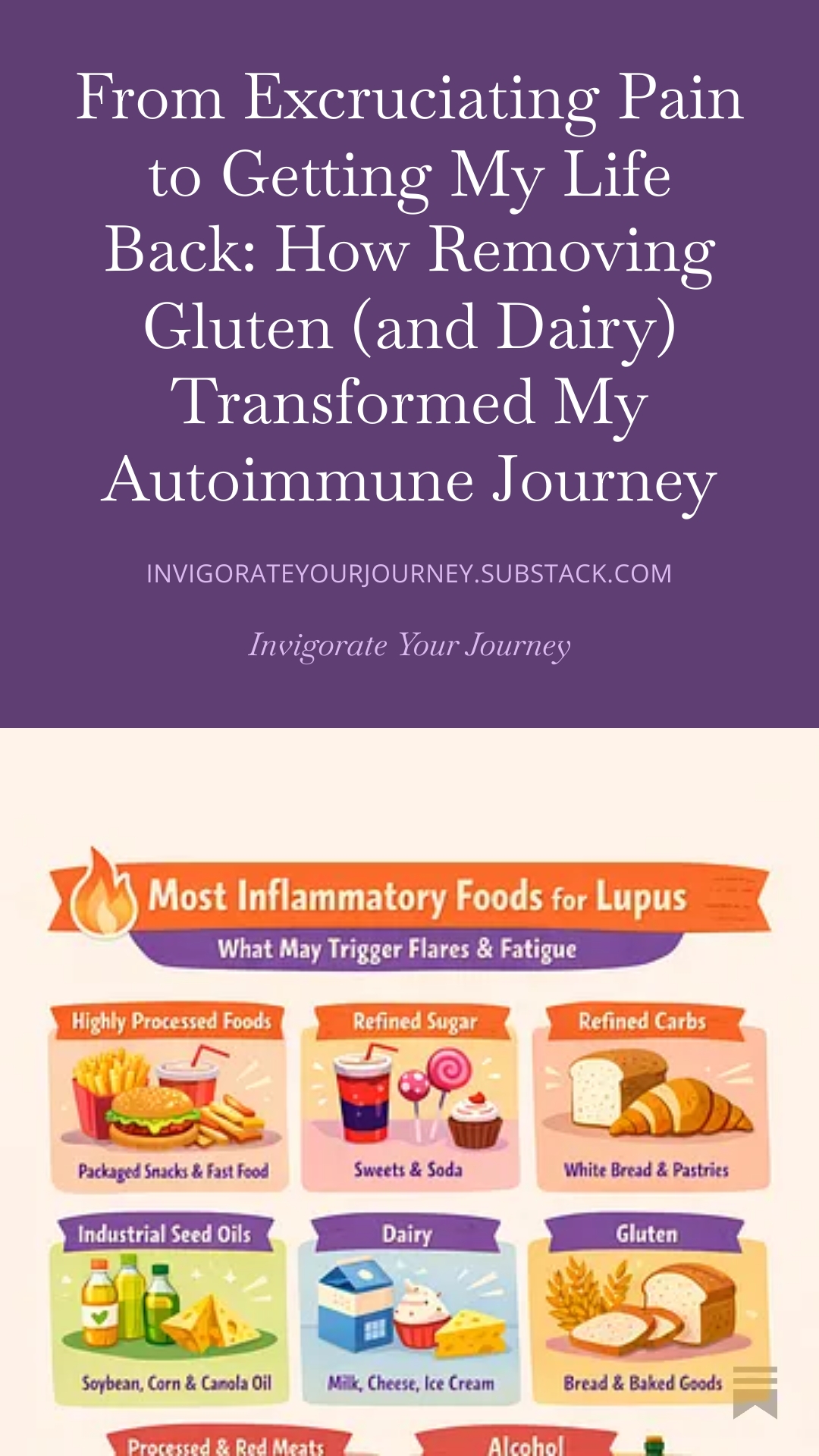
From Excruciating Pain to Getting My Life Back: How Removing Gluten (and Dairy) Transformed My Autoimmune Journey

What functional medicine revealed about the hidden dietary triggers that mainstream medicine often overlooks — and the simple swaps that gave me my body (and my future) back.

I’ll never forget sitting in my nurse practitioner’s office with tears streaming down my face. My shoulders were in such excruciating pain that I literally couldn’t lift my arms. The opioids I was on barely dulled the agony. My fingers had been so swollen for so long that my rings were completely stuck.

My NP looked at me and said the words I’d been dreading: “You’re showing signs of rheumatoid arthritis.”

All I could think about was my two little kids at home. Would they grow up with a mom who couldn’t hug them, play with them, or pick them up? My health trajectory was spiraling — fast.

That moment was my rock bottom. But it also became my turning point.

The Dietary Experiment That Changed Everything

My nurse practitioner was deep in her functional medicine studies because she genuinely wanted to help her patients beyond just writing another prescription. She asked, gently, if I’d be willing to try a dietary change. I was desperate enough to try anything.

She explained that in functional medicine, gluten and dairy are consistently identified as two of the most common dietary triggers for autoimmune conditions. Not for everyone — but for many people with conditions like lupus, rheumatoid arthritis, and Hashimoto’s, removing these two foods can be a game-changer.

So I took the leap.

Within weeks, the swelling in my fingers went down enough that I could finally slide my rings on and off again. My inflammation dropped significantly. My joint pain eased. My lupus markers improved. And eventually — something I never thought would happen — I was able to get off both Prednisone (steroids) and Methotrexate (a chemotherapy drug used for autoimmune disease).

I felt like I had my life back.

The Science: Why Gluten (and Dairy) Fuel Autoimmunity for Many

Here’s what the research actually shows — and why functional medicine practitioners like Dr. Mark Hyman and the Institute for Functional Medicine (IFM) pay close attention to these two foods.

Gluten — specifically the gliadin protein found in wheat — can trigger the release of a protein called zonulin, which temporarily opens the tight junctions in your gut lining. In susceptible people, this increased intestinal permeability (often called “leaky gut”) allows food particles and bacterial byproducts to escape into the bloodstream, triggering widespread inflammation.

What makes this especially relevant for autoimmune conditions is something called molecular mimicry: gluten proteins are structurally similar to tissues in our bodies — including joint tissue and thyroid cells. The immune system attacks the gluten, then mistakenly attacks your own tissue right along with it.

Dairy proteins, particularly casein, can trigger the same cascade. Research shows significant cross-reactivity between gliadin and casein in people who are prone to autoimmunity. A 2014 review by Vojdani and colleagues highlighted how proteins from both wheat and milk are frequently implicated in autoimmune disease. A more recent Mendelian randomization study (2025) even suggested that a gluten-free diet may have a protective effect against rheumatoid arthritis by modulating immune activity.

Functional medicine doesn’t wait for celiac-level damage. It looks at the low-grade inflammation and permeability issues that can show up long before a formal diagnosis — and that can worsen conditions like lupus, RA, and Hashimoto’s for years if left unaddressed.

For me, removing these triggers didn’t “cure” my lupus. But it removed the fuel that was keeping the fire burning.

Gluten-Free Swaps That Actually Taste Good

I get it. The idea of giving up bread, pasta, and pizza forever sounds miserable. But here’s what I learned: you don’t have to give them up — you just have to find better versions of them.

I didn’t go cold turkey. I started by swapping one thing at a time, and over months, it became second nature. These are the products that became staples in my kitchen — and still are.

🍝 Pasta Swaps

🛒 Shop Gluten-Free Pasta — Karin’s Picks

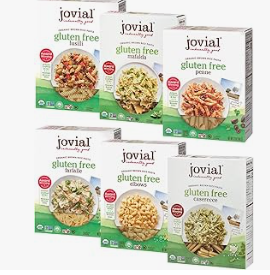
Jovial Gluten Free Pasta Jovial Gluten-Free Pasta
Karin’s #1 go-to
Shop on Amazon ↗
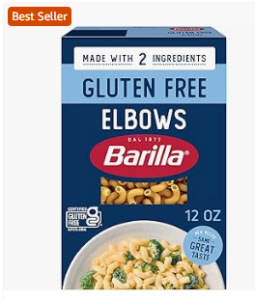
Barilla Gluten Free Pasta Barilla Gluten-Free Pasta
Rec. by Logan Popelka, Celiac warrior & UT Austin Track athlete (Ep. #73)
Shop on Amazon ↗
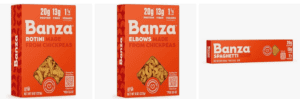
Banza Chickpea Pasta Banza Chickpea Pasta
High protein, great texture
Shop on Amazon ↗
⏱ Pro Tip: Gluten-free pasta goes from crunchy to mush in about 60 seconds — check it constantly and pull it early!
Jovial Gluten Free Pasta
Jovial — Karin’s #1 Pick
Barilla Gluten Free Pasta
Barilla — Widely Available
Banza Chickpea Pasta
Banza — High Protein

My personal preference is Jovial — it has the best texture of any GF pasta I’ve tried. But Barilla is widely available at most grocery stores and works great in a pinch. Banza is a fantastic option if you want to sneak extra protein and fiber into a pasta dish.

🍕 Pizza Night

Pizza was the hardest thing for me to give up. So finding good gluten-free options here was critical. A few important notes: I avoid CAULIPOWER (it contains seed oils and additives) and Milton brand isn’t one I recommend either.

🛒 Shop Gluten-Free Pizza — Karin’s Picks

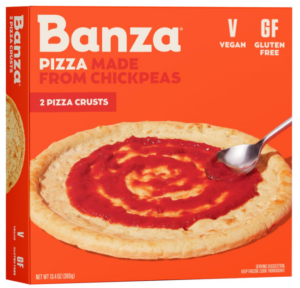
Banza Pizza Crust Banza Pizza Crust
Ready-made, no fuss
Shop on Amazon ↗
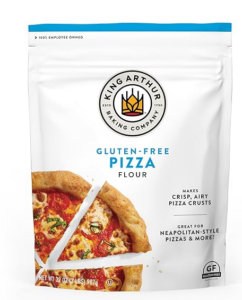
King Arthur GF Pizza Flour King Arthur GF Pizza Flour
For homemade crispy crust
Shop on Amazon ↗
Banza Gluten Free Pizza Crust made from Chickpeas
Banza Pizza Crust — Ready-Made
King Arthur Gluten Free Pizza Flour
King Arthur GF Pizza Flour — Best Homemade Crust

When I have time to make my own crust, King Arthur’s gluten-free pizza flour is hands-down the best I’ve found. It makes a crispy, airy crust that doesn’t fall apart or taste like rice crackers. They also make excellent sourdough, pancake mix, and all-purpose almond flour.

🍞 Bread & Tortilla Swaps

This category is where most people struggle the most — and where I spent the most time experimenting. Here’s what made the cut:

🛒 Shop Gluten-Free Bread Swaps — Karin’s Picks

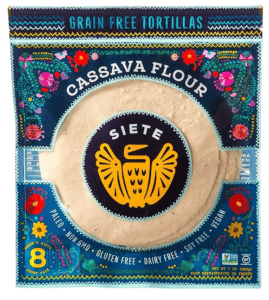
Siete Cassava Tortillas Siete Cassava Flour Tortillas
Great for tacos & wraps
Shop on Amazon ↗
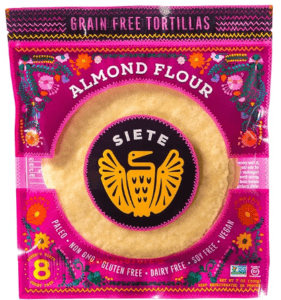
Siete Almond Flour Tortillas Siete Almond Flour Tortillas
(Also great as chips!)
Shop on Amazon ↗
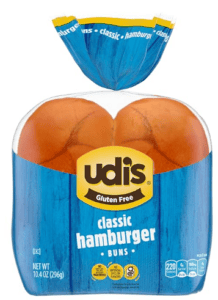
Udi's GF Hamburger Buns Udi’s Gluten-Free Hamburger Buns
BBQ season staple
Shop on Amazon ↗
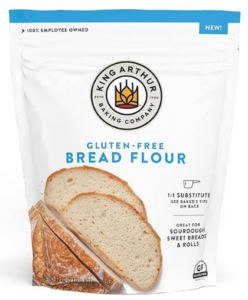
King Arthur GF Bread Flour King Arthur GF Bread Flour
1:1 substitute, great for sourdough
Shop on Amazon ↗
🏙️ Local Gem: If you’re near NYC or want to order premium GF bread nationwide, check out Bare Naked Bakery — the highest quality GF bread I’ve come across.
Siete Grain Free Almond Flour Tortillas
Siete Almond Flour Tortillas
Siete Grain Free Cassava Flour Tortillas
Siete Cassava Flour Tortillas
Udi's Gluten Free Hamburger Buns
Udi’s GF Hamburger Buns
King Arthur Gluten Free Bread Flour
King Arthur GF Bread Flour

Siete has become one of my most-used brands across the board — their tortillas work for everything from tacos to quesadillas to baking into chips. King Arthur’s GF bread flour is also excellent if you love baking your own bread at home; they even have a gluten-free sourdough version.

🧀 Cracker Swaps

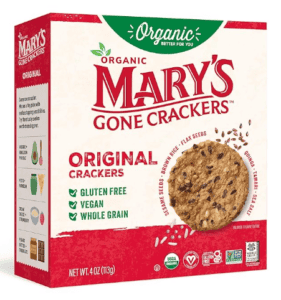
Crackers are a sneaky gluten trap. Most contain wheat flour, and the “gourmet” ones are often the worst offenders. These two brands are my go-to’s for snacking, charcuterie boards, and topping with almond butter or dairy-free cheese:

🛒 Shop Gluten-Free Crackers — Karin’s Picks

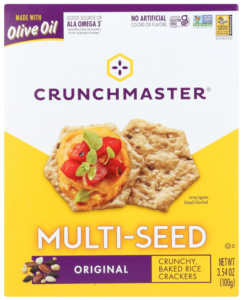
Crunchmaster Multi-Seed Crackers Crunchmaster Multi-Seed Crackers
Satisfying crunch, clean ingredients
Shop on Amazon ↗
Mary's Gone Crackers Mary’s Gone Crackers
Organic, whole grain, seed-based
Shop on Amazon ↗
Crunchmaster Multi-Seed Crackers
Crunchmaster Multi-Seed
Mary's Gone Crackers Organic Gluten Free
Mary’s Gone Crackers

The Bottom Line

An autoimmune diagnosis can feel like a life sentence. And for a long time, it felt that way to me too. But what I’ve learned — and what thousands of other warriors have learned — is that removing inflammatory dietary triggers can be one of the most powerful first steps toward reclaiming your health.

It’s not about perfection. It’s not about restricting yourself into misery. It’s about paying attention to what your body responds to — and being willing to make gradual swaps that add up over time.

If you’re dealing with joint pain, fatigue, swelling, or other autoimmune symptoms, consider working with a functional medicine practitioner to explore dietary triggers. And if you want a referral to someone I trust, just message me.

You deserve to feel good in your body again. Start small. One swap at a time. Your future self will thank you.

Have you tried removing gluten or dairy for your autoimmune condition? Drop your experience in the comments — I read every single one.

Sources & Further Reading

Disclaimer: This post is for informational purposes only and is not medical advice. Always consult your healthcare provider before making dietary or medication changes. This page contains affiliate links — they won’t change your price, but we may earn a small commission. As an Amazon Associate, we earn from qualifying purchases.
How She Turned Graves’ Disease Into a Superpower

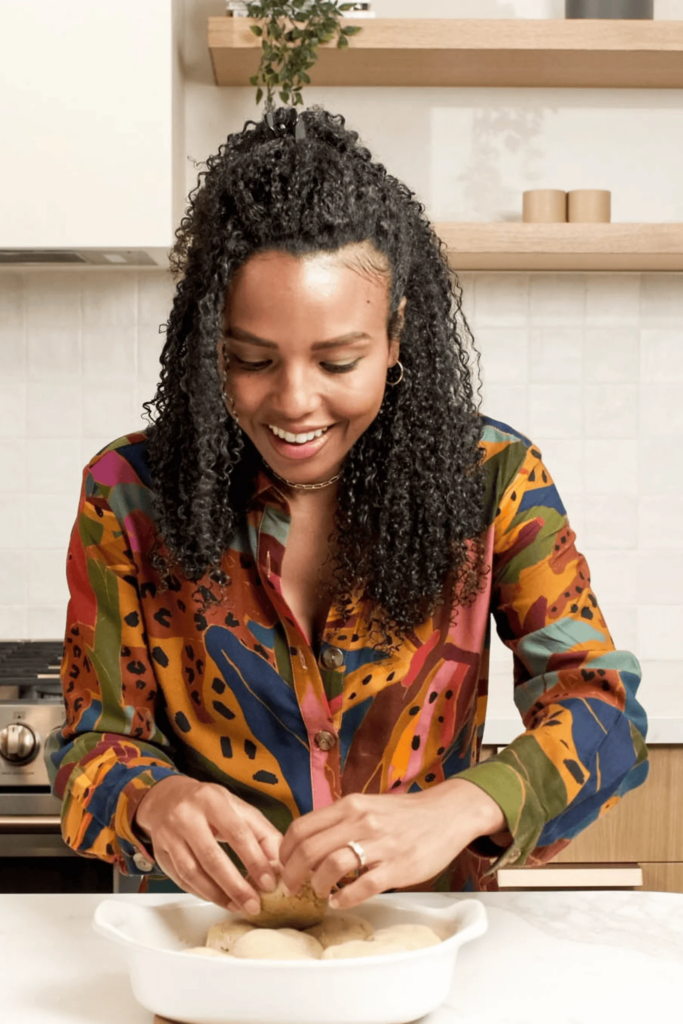
Nicole Charles is the kind of warrior who redefines what strength really looks like.

A diagnosis can change everything.

For some, it creates uncertainty. For others, it becomes a turning point.

For Nicole Charles, it became the start of something powerful.

On the Invisible Strength podcast, Nicole, founder of Heal Me Delicious, shared how her Graves’ disease diagnosis forced her to slow down and reassess everything. What stands out is not just her knowledge of food or how practical her recipes are. It is her mindset. Her approach to healing is grounded, honest, and full of grace.

Before her diagnosis, Nicole was living at a pace that feels familiar to many. Graduate school, constant pressure, little rest, and a routine built on pushing through. Symptoms like weight loss, fatigue, and discomfort were easy to overlook.

Until her body made it impossible to ignore.

After experiencing heart palpitations, Nicole went to the doctor right away. Within that first visit, she was diagnosed with Graves’ disease. That kind of immediate diagnosis is rare for autoimmune conditions, where many people spend years searching for answers.

She had clarity right away.

But clarity does not always mean change happens immediately.

Nicole lived with her diagnosis for several years. Medication helped stabilize her physically, but the deeper lifestyle shifts took much longer. Like many people, life continued at a fast pace, and true healing had not fully begun yet.

Then came the pandemic.

For the first time, everything slowed down.

That pause became a turning point. With more time at home and less external pressure, Nicole began experimenting in the kitchen and exploring the autoimmune protocol. What started as a personal effort to feel better eventually grew into something much bigger.

Heal Me Delicious was born from that season.

Her approach to healing was different from what many expect.

Instead of focusing only on restriction, she focused on inclusion.

What foods could support healing? What flavors could bring meals to life? What ingredients felt familiar and comforting?

She leaned into her Trinidadian roots. Cassava, yams, sweet potatoes, and plantains became staples again. Food was not something to fear. It became something to reconnect with.

That shift matters.

Many people navigating autoimmune conditions feel disconnected from food. Meals can become stressful, restrictive, and isolating. Nicole’s work shows that healing food can still be flavorful, satisfying, and deeply personal.

Her journey also reinforces a truth that is often overlooked.

Healing is not linear.

There were setbacks. Reintroducing foods did not always go as planned. Symptoms returned at times. There was uncertainty. Instead of chasing perfection, she adapted. She listened. She adjusted.
Not perfection.
Consistency and awareness.

Over time, Nicole expanded her diet again. She now tolerates a wide range of foods, including dairy in moderation, while continuing to avoid gluten. That balance came from patience and trust in her body.

Another key part of her message is practicality.

Healing has to fit real life.

Through Heal Me Delicious, Nicole focuses on meals that are simple, affordable, and realistic. One-pot recipes, soups, bowls, and sheet pan meals make healthy eating more accessible for families.

Not everyone has hours to cook.

Not everyone can afford complicated ingredients.

Her recipes reflect that reality.

Cook once and eat leftovers. Plan a few meals ahead. Keep it simple, but make it flavorful. These small changes make a lasting difference.

This is where her work stands out.

Heal Me Delicious is not about perfection. It is about making healing possible in everyday life.

Beyond the recipes, there is something even more important.

Connection.

Food is about more than nutrients. It is about community. Sitting at a table with family. Sharing meals. Feeling included instead of restricted. When people share that her recipes helped them eat with their families again, that impact goes far beyond the kitchen.

Nicole took a personal challenge and turned it into something that supports others.

That is real strength.

Her story also challenges the way resilience is often defined.

Resilience is not about pushing through exhaustion.

True strength is knowing when to slow down. When to listen. When to rest.

Nicole embodies that.

Her journey shows that a diagnosis can become a pivot point. That creativity can grow from challenge. That healing can still include joy.

Nicole Charles is not just sharing recipes.

Through Heal Me Delicious, she is helping people rebuild their relationship with food and with themselves.

That is invisible strength.

To watch Nicole’s full episode, visit the Invisible Strength podcast on YouTube, Apple, Spotify, or your preferred platform. Her recipes can be found at Heal Me Delicious, where she continues to make healthy eating simple, flavorful, and accessible.


The Protestant Work Ethic Broke My Body (And Maybe Yours Too)

The Protestant Work Ethic Broke My Body (And Maybe Yours Too)

Karin W

January 22, 2026

How a 400-Year-Old Belief System Taught Us to Earn Our Worth Through Exhaustion

I didn’t realize I was carrying the weight of my ancestors until my body gave out.

At the peak of my marketing career—climbing fast, hitting every milestone—everything collapsed.

Not the career itself, but me. My body said no. My mental health said no. And suddenly, I was facing a mirror I’d been avoiding: a woman who’d built her entire sense of worth on productivity.

The guilt hit immediately. Here I was—a wife, a mother, surrounded by people I love deeply—and still feeling hollow. What kind of person isn’t fulfilled by their family? What was wrong with me that I needed more?

I love my husband and kids with everything I have. But there was this persistent pull, this voice insisting I needed to contribute something bigger to our community.

Even as I juggled the endless demands of family life (especially with a husband who travels frequently for work), I couldn’t shake the feeling that I was supposed to be doing something more.

Maybe, I thought, I’m just wired differently. I’ve always been driven, competitive to a fault, the kind of person who gets a dopamine hit from finishing the dishes.

Accomplishment gives me energy, confidence, joy. Surely that’s just… personality?

Plot Twist: It’s Not Just Me (Or You)

Turns out, we’re not broken. We’re haunted.

In Before You Know It, social psychologist Dr. John Bargh reveals something that made my entire crisis make sense: we’re carrying cultural DNA from people who died centuries ago.

Specifically, many of us in America are operating under what’s called the “Protestant Work Ethic”—the belief system brought here by Puritans and Protestants who broke from the Catholic Church with one radical idea: hard work earns you eternal salvation.

Read that again. Our ancestors literally believed that productivity determined whether their souls would be saved.

That drive we feel? That gnawing sense that rest equals failure? That’s not a personality flaw. It’s inherited cultural programming, passed down through generations who genuinely believed their worth—their eternal worth—depended on constant labor.

(Side note: the second major value they brought was “Puritanism,” which condemned sexuality and casual intimacy. So if we’re also carrying shame about pleasure in general… well, that tracks.)

When Your Body Becomes the Whistle-Blower

For those of us with autoimmune diseases and chronic conditions, this inherited work ethic becomes especially dangerous.

Our bodies are already dealing with more than the average Joe. Add the Protestant Work Ethic on top, and we’re pushing through pain, ignoring warning signs, operating on the belief that rest is moral failure.

The crash becomes inevitable.

Here’s what I’ve learned: when we constantly push through, we don’t just miss the joy—we erase our ability to even notice it.

We stop seeing the small moments of beauty (what some call “glimmers”) scattered throughout our days. We become machines in service to a 400-year-old value system that was never designed for bodies like ours.

But knowing this—really understanding that we’re hardwired this way—gave me something unexpected: permission to step back.

5 Tactics to Get Off the Hamster Wheel (Without Guilt Eating You Alive)

The question becomes: how do we actually stop when there are work deadlines, household chaos, and a nervous system that screams “productivity equals survival”?

Here’s what’s actually working for me—not the generic “practice self-care” advice that makes us want to throw our phones, but concrete tools:

1. The “Good Enough” Audit: Write down every recurring task in your life. Now ask: what would happen if I did this at 70% instead of 95%?

For most things, the answer is “literally nothing.” The dishes don’t need to be Instagram-perfect. The email can be clear instead of eloquent.

This isn’t about lowering standards—it’s about redistributing our limited energy to what actually matters. (Spoiler: most things don’t matter as much as we think.)

2. The Ancestor Acknowledgment: When that voice screams “you’re lazy/worthless/failing,” try this: “Thank you, Puritan ancestors, for trying to keep me safe. But I’m not earning salvation through spreadsheets.” Sounds ridiculous, but externalizing that voice—recognizing it’s not really ours—creates distance. Some of us even name the voice.

Mine is Margaret. Margaret is exhausting.

3. The Energy Accounting System: Track your energy like money for two weeks. What activities give deposits? What creates withdrawals? Be brutally honest.

For many of us, things we think “should” energize us (like social events or certain hobbies) actually drain us, while “unproductive” activities (sitting in silence, rewatching comfort shows) restore us.

Build your life around actual data about your body, not inherited beliefs about what should work.

4. The Anti-Calendar Block: Schedule time for absolutely nothing—and protect it as fiercely as we protect work meetings.

This isn’t “self-care time” (which somehow became another task to optimize). This is a blank space where nothing is required.

No improvement. No productivity. No output. Just existence.

Research from UC Berkeley’s Greater Good Science Center shows that unfilled time—what they call “psychological white space”—is essential for emotional regulation and actually improves our decision-making later.

5. The Glimmer Journal (But Make It Low-Pressure): Keep a note on your phone. When something gives you even a micro-moment of peace, pleasure, or presence—add one word.

Just one. “Sunlight.” “Cat.” “Silence.”

On hard days, scroll through it. Not to practice positivity, but to remind us that these moments exist, even when productivity tells us we don’t deserve to notice them.

The Permission Slip We’re Writing Ourselves

We’re not failing at modern life. We’re succeeding at dismantling a 400-year-old operating system that was never meant for bodies that need rest, minds that need slowness, and lives that need meaning beyond output.

We know better now.

The most radical thing we can do—especially those of us with bodies that literally cannot sustain the grind—is to rest without earning it.

To find worth outside of accomplishment.

We should allow ourselves to be whole exactly as we are. We are wives, mothers, friends, daughters, sisters. And yes, sometimes, we are people who just need to lie down.

The Protestant Work Ethic served its purpose. It helped people survive. It built nations.

But it’s also breaking our bodies and stealing our joy.

Maybe it’s time to let it rest, too.

Dance on, friends,

Karin


Sources:

Bargh, J. A. (2017). Before You Know It: The Unconscious Reasons We Do What We Do. Touchstone.

Greater Good Science Center, UC Berkeley. “The Science of White Space and Mental Health.” https://greatergood.berkeley.edu/

National Institute of Mental Health. “Chronic Illness and Mental Health.” https://www.nimh.nih.gov/

The Arthritis Foundation. “Fatigue and Autoimmune Disease: Understanding the Connection.” https://www.arthritis.org/

Weber, M. (2002). The Protestant Ethic and the Spirit of Capitalism. Penguin Classics. (Original work published 1905)

Ready to stop circling and start moving forward?

Take the first step — it’s free and takes 2 minutes:

→ Take our free Grief & Autoimmune Quiz to see where you are on your journey and receive a FREE guide to help you process (2 minutes)

You’ve already survived the hardest parts. Now let us help you build the life that comes next.

You’re not alone anymore.

P.S. The assessment and discovery calls are genuinely free. No catch. We’ve both been exactly where you are — and we’re paying it forward.

Take the first step today. You deserve this. 💜

The next chapter of your story is waiting. It’s going to be even more beautiful than the one you’re grieving.


P.S.S.Start your journey today. Connect with us and discover how small, science-backed adjustments can transform your energy.

They can also transform your mood and health this season.

⚠️ DISCLAIMER: This content is for general education and shared experiences only and is not medical advice. Always consult a qualified healthcare professional before making changes to your care or treatment plan.