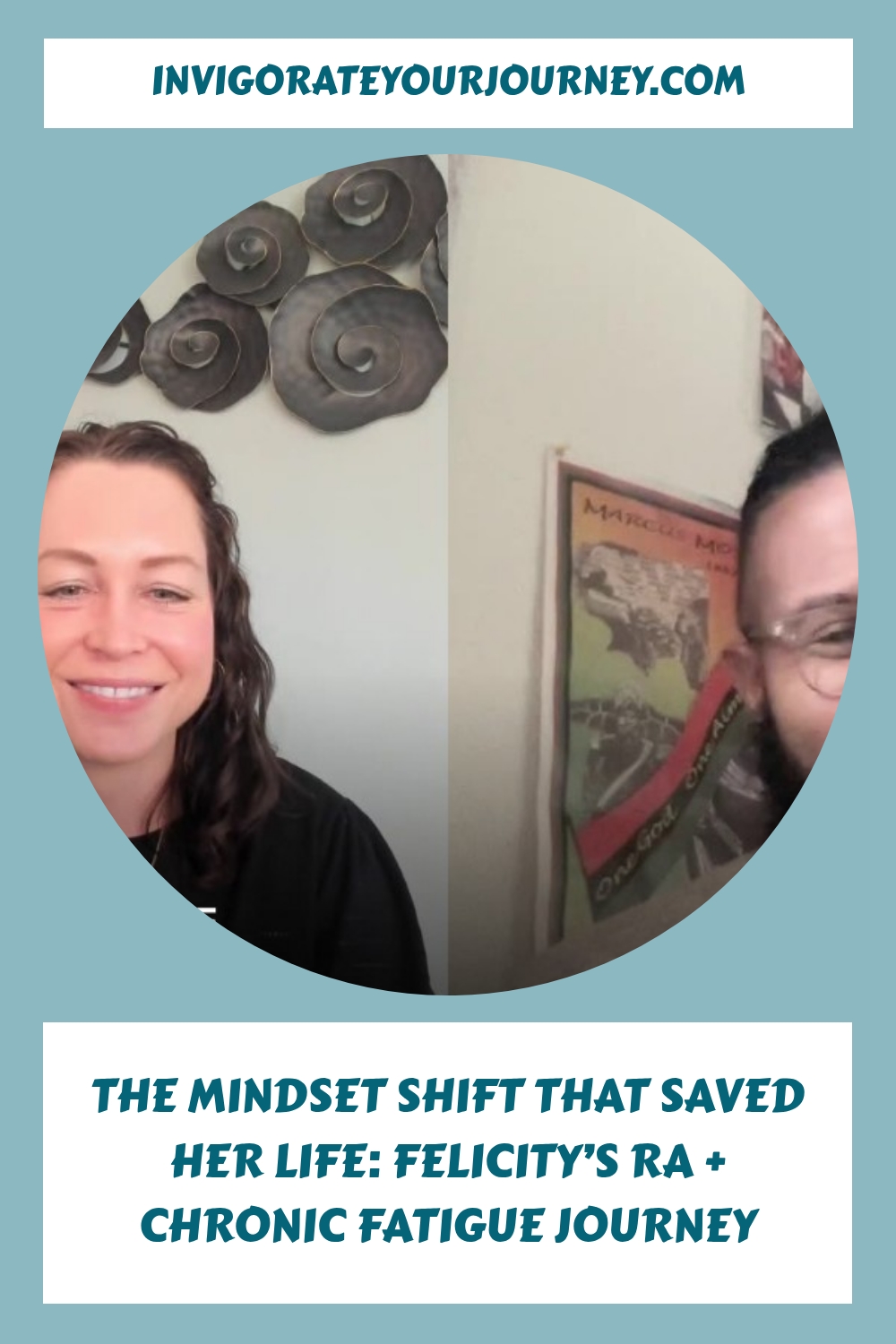
The Mindset Shift That Saved Her Life: Felicity’s RA + Chronic Fatigue Journey
 Karin W
 December 3, 2025
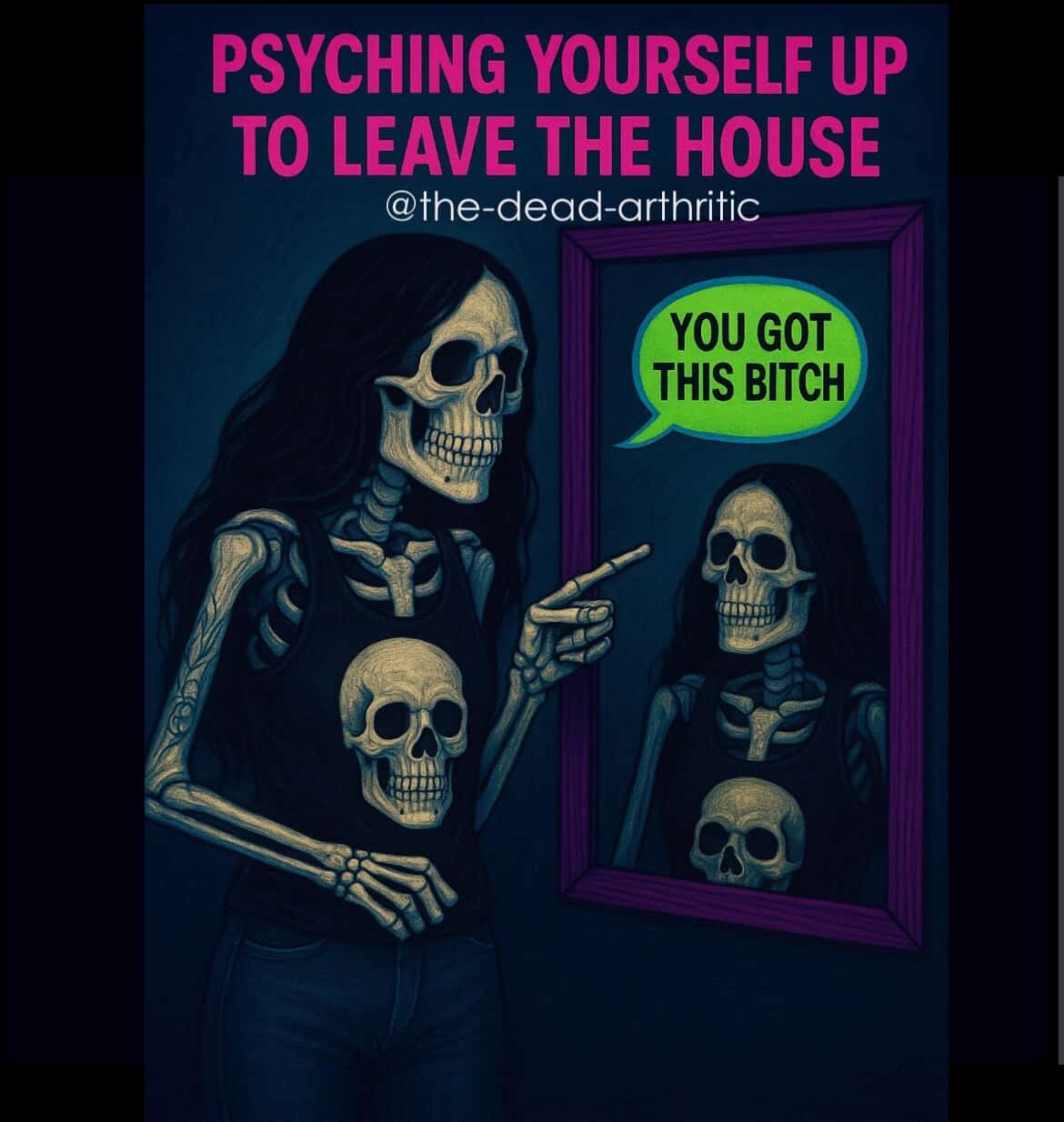
Living with rheumatoid arthritis, chronic fatigue, and central sensitization syndrome (CSS) can completely transform a person’s world.
For many, that transformation feels like loss. But for Felicity—known online as @the_dead_arthritic—it became the catalyst for an unexpected mindset shift that ultimately saved her life.
In this episode of the Invisible Strength Podcast, Felicity opens up about the moment everything changed, the coping tools that pulled her out of a dark place, and why she believes our thoughts have far more power than we realize.
This is one of the most honest, surprising, and uplifting conversations we’ve ever had—and if you’ve ever struggled with fatigue, pain, identity shifts, or finding hope again, you’ll want to hear every second.
From Reformed Cynic to Unexpected Optimist
When Felicity was diagnosed with RA at 18, she didn’t have the medical knowledge or personal confidence to advocate for herself.
Years later, after becoming a veterinarian, she understood her body better—but her symptoms grew worse. Chronic fatigue, CSS, and relentless pain made daily life unrecognizable.
She calls herself a “reformed cynic surviving on positivity and dark humor,” but this mindset didn’t come naturally. It was built through necessity.
The shift began with a surprising, reluctant experiment: meditation and mindfulness.
Felicity had always been skeptical—eye-roll level skeptical. But after giving it a chance for a few weeks, something changed.

Her fatigue eased. Her brain felt clearer. Her nervous system calmed. And she realized she had far more control over her internal world than she ever imagined.
When Life Hits the Hardest: Her Lowest Moment
Felicity shares openly that at her lowest point, she cashed out her 401K to consider going to Switzerland to visit Dignitas, a clinic that supports legal human euthanasia. She genuinely believed her life was over.
But before following through, she entered a Mayo Clinic CSS program—one that completely changed her trajectory.
Inside the program, complaining, venting, and talking about pain are not allowed. It’s a highly specialized environment, and it works only for CSS (not chronic pain in general).
But for Felicity, this unfamiliar approach ended years of spiraling symptoms.
“It saved my life,” she says without hesitation.
Instead of Switzerland, she went to England. She relearned socialization, rebuilt routines, and began rediscovering who she was outside of illness.
Her journey is proof that a single moment, a single choice, or a single program can truly turn everything around.
Rebuilding an Identity After Losing a Career
Felicity spent a decade as a veterinarian—a job defined by high stress, pressure, perfectionism, and emotional labor.
Leaving it wasn’t just a career shift; it was an identity rupture.
She tried everything to fill the void: new hobbies, different volunteer roles, lifestyle experiments, and countless trial-and-error routines.
“You have to figure out how to redirect that energy,” she explains.
And what she learned is that purpose doesn’t have to look the same as it did before illness.
Daily Practices That Keep Her Grounded
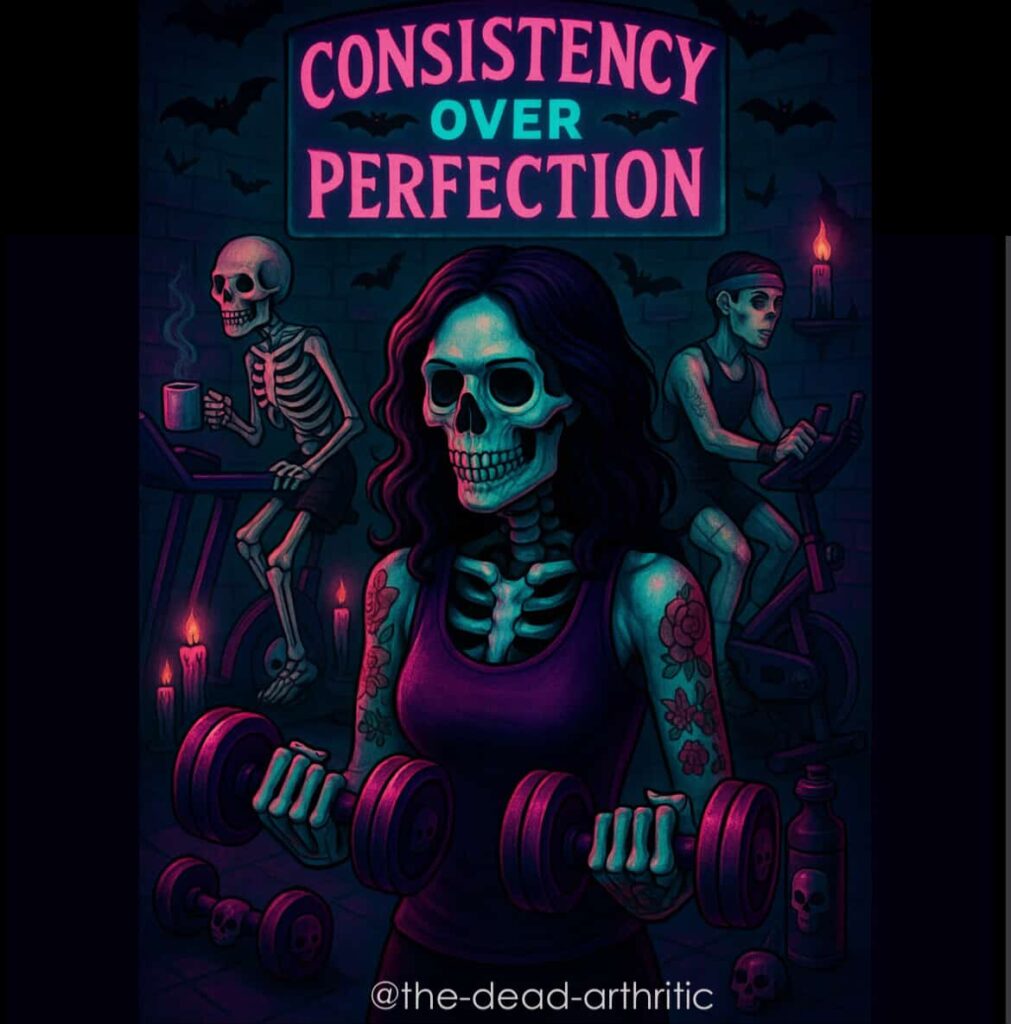
Her routine is built on tiny, accessible habits—most five minutes or less. Small, consistent wins over unrealistic perfection.
She shares the exact daily practices that changed her life:
• Writing three things she’s grateful for
• A Qigong-style shaking practice to release tension
• “Indoor walking” YouTube videos
• Guided meditation with muscle relaxation at night
• Snapping a rubber band on her wrist when negative thoughts spiral (“snap out of it”)
• Mindfulness whenever she walks her dog
• Looking for “glimmers”—micro-moments that spark joy
“Consistency over perfection,” she repeats. “These things take five minutes. But they matter.”
Navigating Relationships, Communication, and Unsolicited Advice
One of the hardest parts of chronic illness?
The comments.
The cure suggestions.
The “Have you tried ___?” memes.
The unhelpful assumptions.

Felicity has heard it all—especially the ones that imply illnesses like RA or CSS are “all in your head.” Yet she says something both controversial and freeing:
“People don’t like hearing it—but in a way, it is all in your head. Your brain is your GPS. If you hard-wire negative thoughts, that’s the direction you steer. If you shift the wiring, you shift the direction.”
It’s a bold mindset—and one that won’t resonate with everyone. But for her, it’s been lifesaving.
Dark Humor, Community, and Invisible Strength
Dark humor has carried Felicity through some of the worst moments. She shares funny stories, strange coping moments, and the surprising power of laughing at the absurdity of illness.
She also talks about the role of community—why chronic illness can isolate you, and how sharing your story helps you find people who “get it.”
When asked what Invisible Strength means to her, she says it’s the quiet victories no one else sees:
“Some days, the bravest thing you do is get out of bed. Or take a shower. Or choose hope. Invisible strength is all the things you celebrate alone.”

What She Wants Newly Diagnosed People to Know
Felicity’s advice is simple, compassionate, and deeply grounded in experience:
• Don’t wait to advocate for yourself.
• Your story doesn’t end with a diagnosis.
• You’re allowed to become someone new.
• You’re stronger than you think—even when you don’t feel it.
• Hope isn’t toxic. It’s necessary.
If she could destroy one chronic illness stereotype, it would be the idea that invisible illness makes you weak. In reality, it builds resilience most people will never understand.
You’re Allowed to Choose a New Story
Felicity wants listeners to walk away knowing this:
“You can change your life in tiny ways. Five minutes. One thought. One new habit. One choice. Those things add up. And they might save your life the way they saved mine.”
This episode is powerful, raw, vulnerable, and full of unexpected hope.
Listen to the Full Episode
🎧 The Mindset Shift That Saved Her Life: Felicity’s RA + Chronic Fatigue Journey
Watch on YouTube, Spotify, Apple Podcasts, or any major platform.
Integrating These Mindset Shifts with Invigorate Coaching
Science is clear: mindset influences healing, resilience, immunity, energy, and behavior change.
But mindset doesn’t shift through reading alone.
It shifts through:
- Guided reflection
- Personalized self-talk strategies
- Accountability with compassion
- Habit architecture
- Identity alignment
That’s exactly what Invigorate Coaching specializes in.
Through our work, you will:
- Uncover your Why
- Build a healing mindset
- Reduce stress-driven inflammation
- Rewrite inner narratives
- Adopt sustainable habits
- Establish routines that support recovery and growth
If you’re ready to turn mindset into momentum:
Book your free clarity call with us:
Let’s map your next level of healing — together.
FAQ
Does mindset affect physical health?
Yes — self-talk influences cortisol, inflammation, and autonomic nervous system activity.
Can self-talk actually help healing?
Supportive inner speech can reduce stress hormones, enhance resilience, and improve recovery.
How can I develop a healing mindset?
Start with your Why, practice compassionate self-talk, and adopt a sliding-scale habit approach.
What coaching is best for mindset change?
Mind-body based coaching, like Invigorate, helps integrate psychological and lifestyle shifts for long-term change.
Dance on, friends,
Karin
P.S. If you live with an autoimmune condition or love someone who does, know this: You’re not alone. Get in touch with us – we’d love to connect!
P.S.S.✨ Start your journey today—connect with us and discover how small, science-backed adjustments can transform your energy, mood, and health this season.
⚠️ DISCLAIMER: This content is for general education and shared experiences only and is not medical advice. Always consult a qualified healthcare professional before making changes to your care or treatment plan.
Share:




 22-January-2026