
How Your Brain Could Be Causing Your Chronic Pain (And What to Do About It)
 Karin W
 December 8, 2025
The Surprising Science Behind Chronic Pain and Neuroplastic Symptoms – Unlocking the Hidden Roots of Chronic Pain
Chronic pain can be confusing, frustrating, and life-altering—especially when medical tests show nothing wrong. In the latest episode of the Invisible Strength Podcast, Dr. David Clarke, MD, dives deep into the world of brain-generated pain, also called neuroplastic symptoms.
Dr. Clarke, a gastroenterologist with a background in psychology, has treated over 7,000 patients who weren’t getting results from conventional medicine. His insights challenge traditional notions of pain, revealing that arthritis and other conditions don’t always correlate with pain, and that the brain itself can generate real symptoms—even without physical injury.
🎧 Listen now: Invisible Strength Podcast – Dr. David Clarke
Key Insights from Dr. Clarke
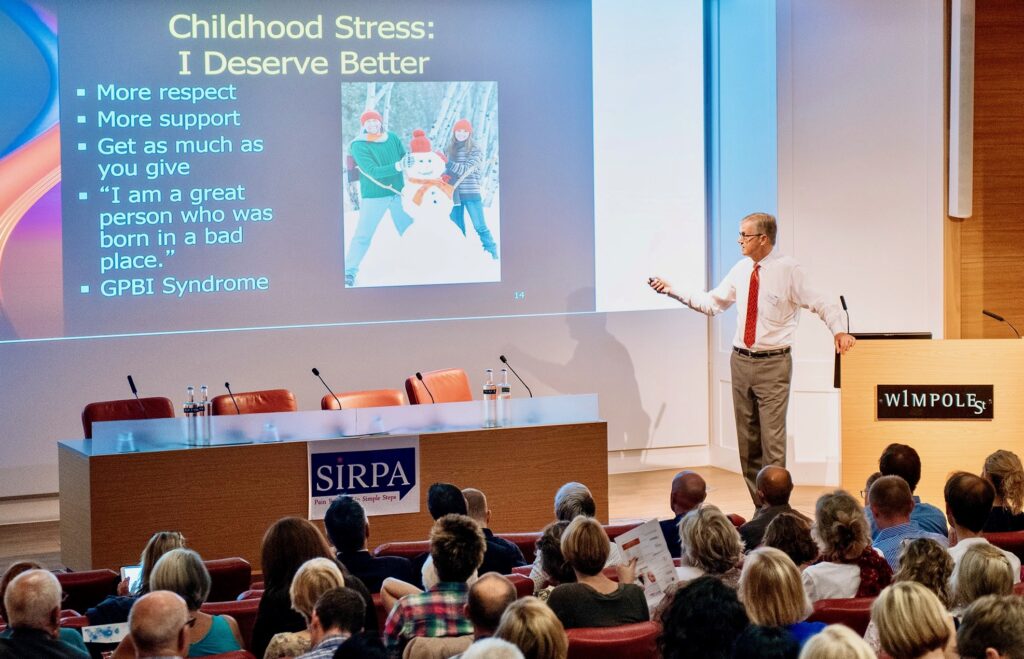
- Pain is generated in the brain, not just the joints. Many patients experience real pain even when there’s no physical damage.
- Arthritis does not always equal pain. Understanding pain perception is crucial for effective treatment.
- Neuroplastic symptoms are common. Up to 40% of patients visiting primary care doctors experience brain-to-body conditions.
- Childhood trauma matters. Adversity in early life increases the likelihood of autoimmune and chronic conditions later.
- The brain can be “retrained.” New neuroplastic therapies, including Emotional Awareness and Expression Therapy, have shown 63% of patients achieve significant pain relief, compared to 17% with traditional CBT.
“The brain can change in a way that produces real pain or illness, and it can also change in a way that alleviates the symptoms. It’s a two-way street,” explains Dr. Clarke.
What Are Neuroplastic Symptoms?
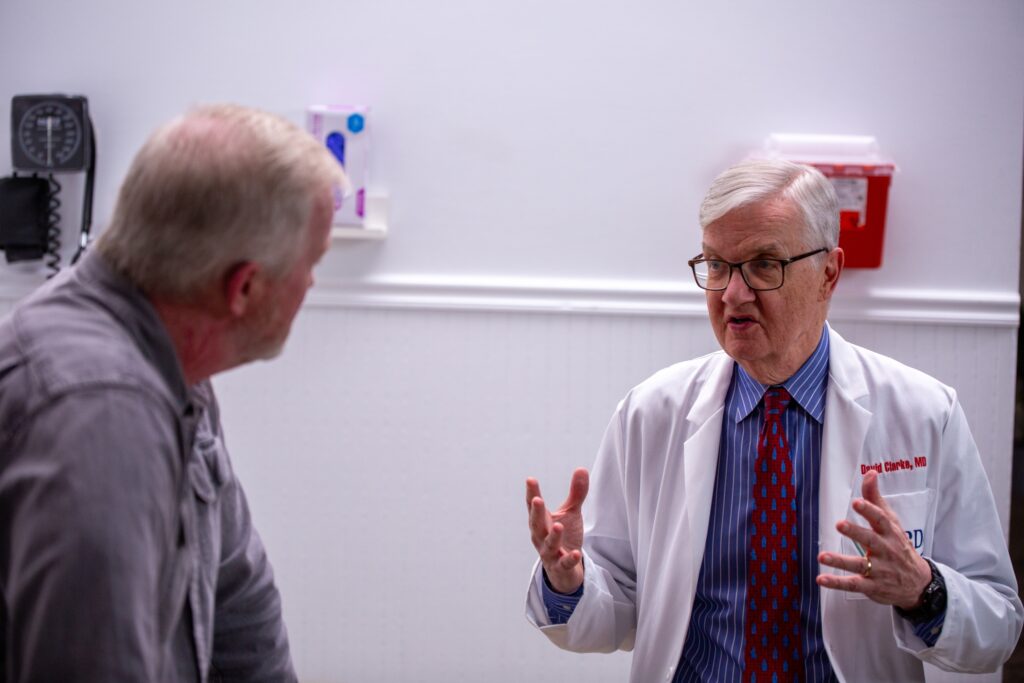
Many assume pain or illness is caused by injury or disease. However, neuroplastic symptoms (NS) are chronic conditions triggered by changes in the brain due to stress, trauma, or emotions. These symptoms appear in conditions such as:
- Fibromyalgia
- Migraines
- Irritable Bowel Syndrome
- Long COVID
- Certain autoimmune flare-ups
Because these symptoms often don’t respond to conventional treatments, patients can feel neglected or hopeless. Awareness and understanding are key to effective management.

Practical Approaches to Healing
Dr. Clarke emphasizes safe, science-backed strategies for managing neuroplastic symptoms:
- Repatterning the brain through therapy and targeted exercises.
- Self-awareness and emotional regulation to manage stress and triggers.
- Small daily habits that improve resilience and reduce pain over time.
For autoimmune warriors and chronic illness patients, understanding the mind-body connection can be empowering, giving them back control over symptoms and improving their quality of life.

Why This Matters
Neuroplastic symptoms challenge the traditional medical model and require a holistic approach. Dr. Clarke’s work encourages:
- Medical professionals need to rethink their skepticism toward patients with “medically unexplained” symptoms.
- Patients to explore self-empowering, affordable strategies for managing chronic pain.
“Stories about patients overcoming pain through understanding and self-empowerment resonate deeply with those struggling to find answers,” Dr. Clarke notes.

Resources & Next Steps
To learn more about neuroplastic pain and Dr. Clarke’s work:
- Association for the Treatment of Neuroplastic Symptoms – nonprofit dedicated to awareness and treatment
- Book: They Can’t Find Anything Wrong by Dr. David Clarke
🎧 Listen to the full episode now: Invisible Strength Podcast – Dr. David Clarke
Integrating These Mindset Shifts with Invigorate Coaching
Science is clear: mindset influences healing, resilience, immunity, energy, and behavior change.
But mindset doesn’t shift through reading alone.
It shifts through:
- Guided reflection
- Personalized self-talk strategies
- Accountability with compassion
- Habit architecture
- Identity alignment
That’s exactly what Invigorate Coaching specializes in.
Through our work, you will:
- Uncover your Why
- Build a healing mindset
- Reduce stress-driven inflammation
- Rewrite inner narratives
- Adopt sustainable habits
- Establish routines that support recovery and growth
If you’re ready to turn mindset into momentum:
Book your free clarity call with us:
Let’s map your next level of healing — together.
FAQ
Does mindset affect physical health?
Yes — self-talk influences cortisol, inflammation, and autonomic nervous system activity.
Can self-talk actually help healing?
Supportive inner speech can reduce stress hormones, enhance resilience, and improve recovery.
How can I develop a healing mindset?
Start with your Why, practice compassionate self-talk, and adopt a sliding-scale habit approach.
What coaching is best for mindset change?
Mind-body based coaching, like Invigorate, helps integrate psychological and lifestyle shifts for long-term change.
Dance on, friends,
Karin
P.S. If you live with an autoimmune condition or love someone who does, know this: You’re not alone. Get in touch with us – we’d love to connect!
P.S.S.✨ Start your journey today—connect with us and discover how small, science-backed adjustments can transform your energy, mood, and health this season.
⚠️ DISCLAIMER: This content is for general education and shared experiences only and is not medical advice. Always consult a qualified healthcare professional before making changes to your care or treatment plan.
Share:




 22-January-2026